
Community support

Friendship, shared experience and encouragement

How the community side of an STI dating platform works — conversation, experience sharing, friendship and the etiquette that keeps it supportive.

Connection can begin with being understood, without any pressure to date.

A group of adults sharing conversation in a sunny New Zealand park

Why community matters after a diagnosis

The lonely part is often oddly specific. You may have people who love you and still feel unable to tell them why you cancelled dinner, why a message from a new match made your stomach drop, or why a routine appointment has stayed in your thoughts all week. Peer community gives those moments somewhere to go.

What community spaces can offer

A useful community is not a wall of motivational quotes. It is someone answering, “I told her before our fourth date and this is how I opened the conversation,” or admitting that they logged off for a week after a rejection. Specific experience helps because you can borrow an idea without being told that one response fits everyone.

Ordinary conversation matters too. A thread about weekend plans or a ridiculous dating profile can be a relief when every private thought has started to orbit a diagnosis. Check the actual features and privacy rules of any external platform before posting; this website does not host community discussions itself.

How the community areas fit together

Experience sharing

Peer stories are most helpful when they keep the rough edges. “It went well” tells you little; “they went quiet, asked two questions the next day, and then we talked again” prepares you for the pauses that real conversations contain.

Speak from your own experience and resist turning it into a rule. Someone with different symptoms, culture, sexuality, treatment or family circumstances may need a different answer.

Telling a partner about an STI

Friendship beyond dating

Not everyone in an STI community is looking for romance, and not every connection needs to become one. Many members are there for friendship: people to chat with, compare notes with, or eventually meet for a coffee with zero agenda.

That is a reason to be there in its own right, not a consolation prize. If dating feels like too much at the moment, friendship is not a smaller version of it — for plenty of members it is the whole point, and for others it is what makes the rest possible later on.

STI dating in New Zealand

For the bad evening, not just the success story

Sometimes you do not need advice. You need to say that a date disappeared after disclosure and have somebody answer, “That hurts. Eat something, put the phone down, and do not send the fourth explanation.” That is a small kind of care, but it can interrupt a long night of self-blame.

On an ordinary Tuesday, when nobody around you knows why you are upset, a measured reply from someone who has lived through a similar moment can help. If low mood, panic or isolation is persisting, peer conversation is not enough on its own; use the professional and free options in our resource directory.

Dating with an STI

Participating respectfully

  • Protect other people's privacy. Never share another member's health status, photos or stories outside the community. What is shared in confidence stays in confidence.
  • Speak from your own experience. "This worked for me" helps; "everyone should do this" rarely does.
  • No medical advice. Share experiences, but leave diagnosis and treatment questions to health professionals.
  • Be kind to the newly diagnosed. Everyone in the community was once the person nervously writing their first post.

Privacy and safety

Your first weeks in the community

Nobody is watching for your first post. Most people spend their first week reading — seeing what gets asked, how people answer, and whether the tone feels like somewhere they want to be.

  1. Read before you write. A week of reading tells you more about a community than any description of it, this page included.
  2. You decide how much to share, and when. Profile and privacy settings are yours to set. Share the condition information that makes matching work, and nothing beyond what you are ready to put there.
  3. Ask a narrow question. “How did you reopen the conversation after they needed time?” is easier to answer than “Will dating ever be normal?”
  4. Notice how the space handles disagreement. A supportive group allows different experiences without shaming people for symptoms, treatment choices made with clinicians, sexuality or relationship history.
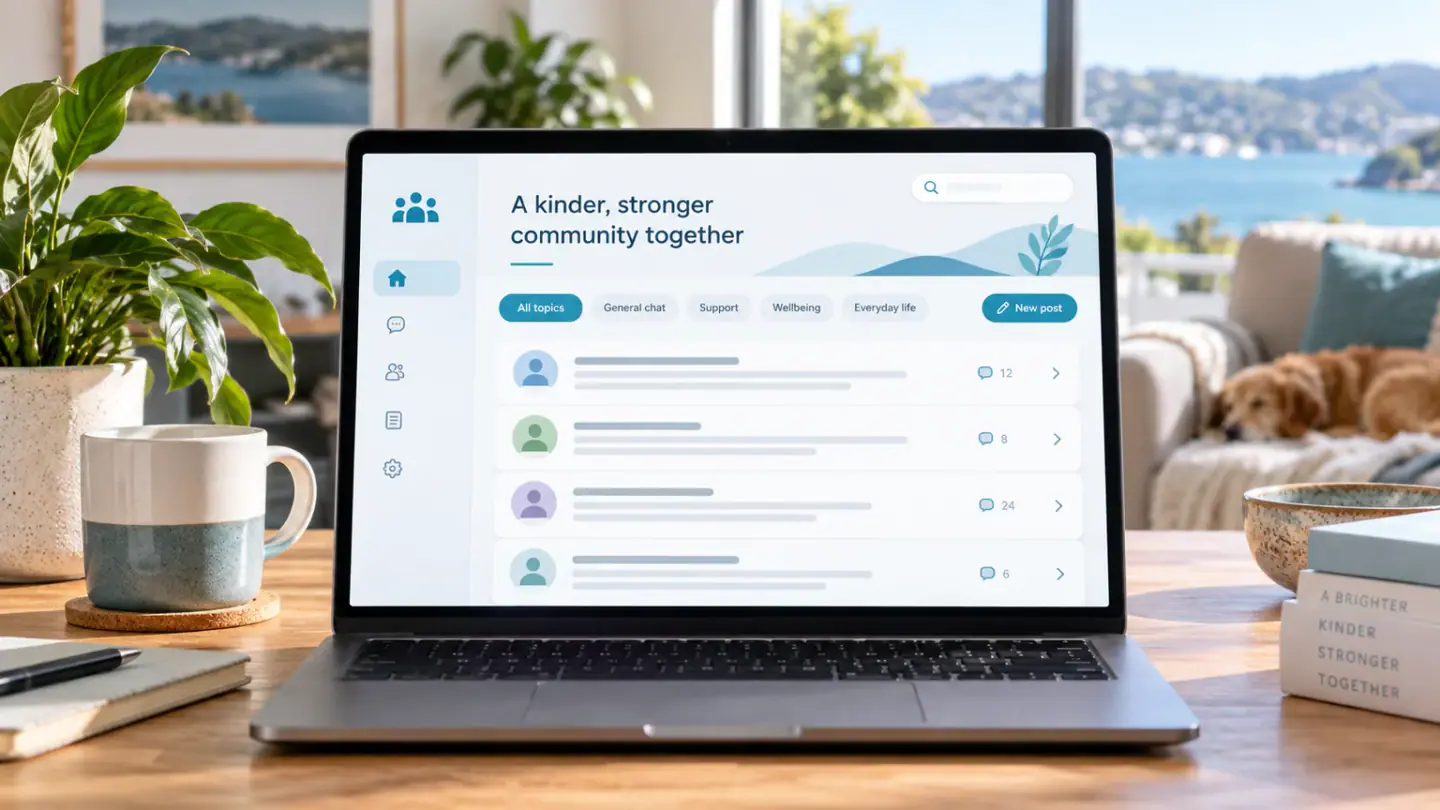
Illustrative community discussion interface shown on a laptop
Illustrative interface
Two women in conversation at a garden cafe table, one talking and one listening

Sometimes the first useful connection is not a date

Explore a community for practical conversation, friendship and the relief of not explaining every part from the beginning.

Explore PositiveSingles

You will leave this website and register on the external PositiveSingles service. We may receive compensation if you join through our links, at no extra cost to you.